No products in the cart.


Traveling to Namibia is a journey into one of Africa’s most stunning and diverse landscapes. Known for vast deserts, abundant wildlife, dramatic coastlines, and cultural experiences, Namibia is a destination for adventure seekers, photographers, and nature lovers alike. From the red dunes of the Namib Desert to Etosha National Park’s wildlife-rich savannas, Namibia offers unique safari and adventure experiences.
This guide covers iconic destinations, how to get there, visa requirements, political stability, travel tips, wildlife highlights, and the best times to visit, helping you plan a safe, seamless, and unforgettable Namibian adventure.
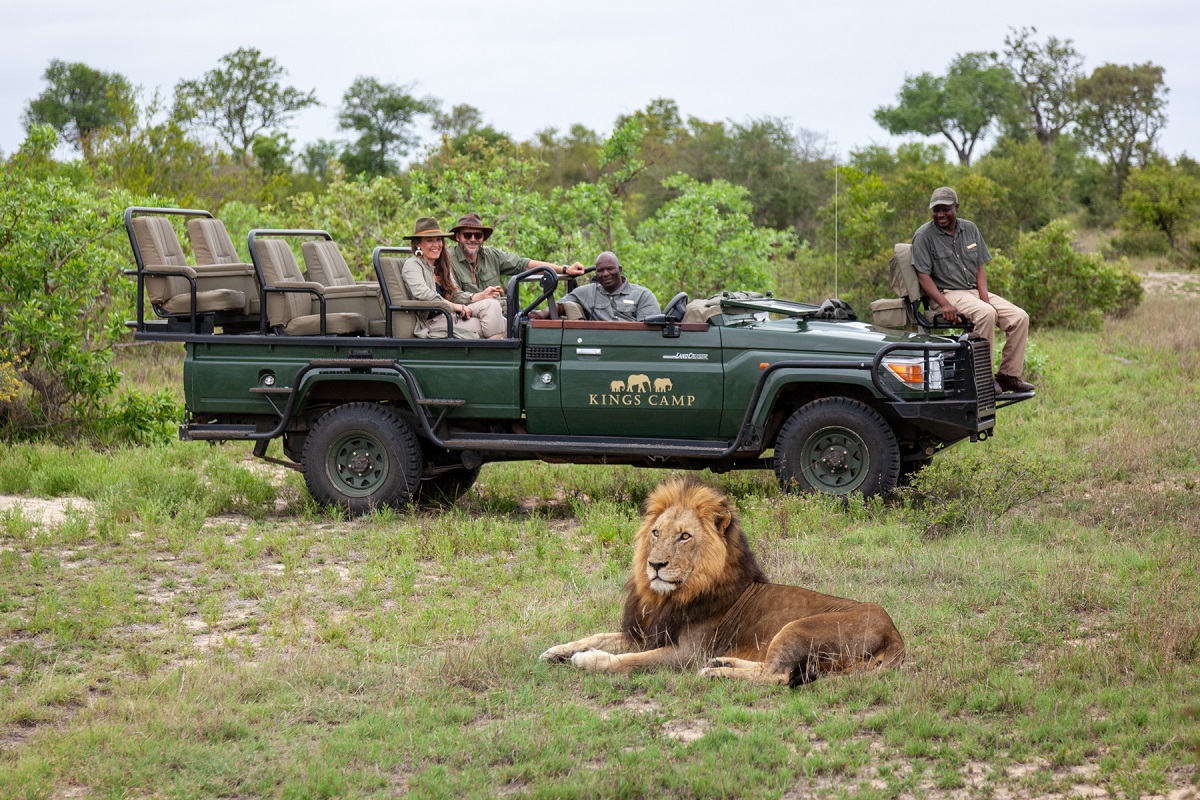
Etosha National Park is Namibia’s premier safari destination and one of the most iconic wildlife areas in Southern Africa.
Popular Wildlife: Elephants, lions, leopards, cheetahs, giraffes, zebras, springboks, black-faced impalas, and rhinos.
Birdlife: Over 340 species including flamingos at Etosha Pan, African fish eagles, and vultures.
Activities: Self-drive safaris, guided game drives, and night safaris in selected lodges.
Best Time to Visit: May to October (dry season) when wildlife concentrates at waterholes; wet season (November–April) is ideal for birdwatching and lush landscapes.
How to Get There: Accessible via Hosea Kutako International Airport in Windhoek (~5–6 hours by road) or Ondangwa Airport in northern Namibia (~1–2 hours drive to the park).
Travel Tip: Etosha is ideal for self-drive travelers and first-time safari visitors due to well-maintained roads and abundant wildlife near waterholes.
The Namib Desert is one of the world’s oldest and most iconic deserts, famous for its red sand dunes and surreal scenery.
Popular Wildlife: Desert-adapted elephants, oryx (gemsbok), springbok, and black rhinos.
Activities: Climbing dunes at Sossusvlei, quad biking, hot-air balloon rides, and photography tours.
Best Time to Visit: May to October for cooler temperatures; avoid November–March due to extreme heat.
How to Get There: Accessible via Windhoek (~4–5 hours drive to Sesriem/Sossusvlei) or Walvis Bay on the Atlantic coast (~3–4 hours).
Travel Tip: Hiring a 4×4 vehicle is recommended for desert excursions and remote lodges.
Namibia’s Skeleton Coast is famous for foggy shores, shipwrecks, and dramatic desert-meets-ocean landscapes.
Popular Wildlife: Seals at Cape Cross, desert-adapted elephants, jackals, and migratory birds.
Activities: Guided coastal tours, 4×4 desert drives, and wildlife observation at seal colonies.
Best Time to Visit: May to September for clear skies and cooler conditions; the foggy wet season may limit visibility.
How to Get There: Accessible via Swakopmund or Walvis Bay. Most travelers arrive by road from Windhoek (~4–5 hours).
Travel Tip: The Skeleton Coast is remote; guided tours are recommended for safety and navigation.
Damaraland offers a unique mix of rugged mountains, desert wildlife, and ancient San rock art.
Popular Wildlife: Desert-adapted elephants, rhinos, oryx, baboons, and hyenas.
Activities: Guided 4×4 excursions, rock art tours, and walking safaris.
Best Time to Visit: May to October for cooler, dry conditions; wet season (November–April) brings greenery and newborn wildlife.
How to Get There: Most travelers drive from Etosha National Park (~3–4 hours) or Windhoek (~6–7 hours).
Travel Tip: Damaraland is ideal for photographers and travelers seeking off-the-beaten-path adventures.
Windhoek is Namibia’s capital city and main transport hub, combining modern amenities with African charm.
Activities: Cultural tours, craft markets, museums, and restaurants.
Proximity to Destinations: Flights to Etosha, Sossusvlei, Swakopmund, and Damaraland connect from Windhoek.
Best Time to Visit: Year-round; dry season (May–October) preferred for excursions.
Travel Tip: Spend a day exploring Windhoek before heading to safari lodges or desert adventures.
Most Travelers: Citizens from the EU, USA, Canada, Australia, and many African countries do not need a visa for stays up to 90 days.
Other Nationalities: Should check with Namibian consulates for pre-approved visas.
Passport Validity: Must be valid for at least six months beyond the travel date.
Travel Insurance: Recommended for all visitors, including coverage for adventure activities.
Namibia is considered one of the most politically stable and safest countries in Africa:
Government: Stable democracy with peaceful transitions of power.
Safety Tips: Exercise common travel precautions; avoid driving at night in remote areas and stay aware in urban centers.
Healthcare: Good medical facilities in Windhoek and major towns; remote lodges may require basic medical preparedness.
Transport: Rent a 4×4 for desert and remote park access; domestic flights available to Etosha and coastal towns.
Best Time to Visit: Dry season (May–October) for wildlife spotting; wet season (November–April) for birding and green scenery.
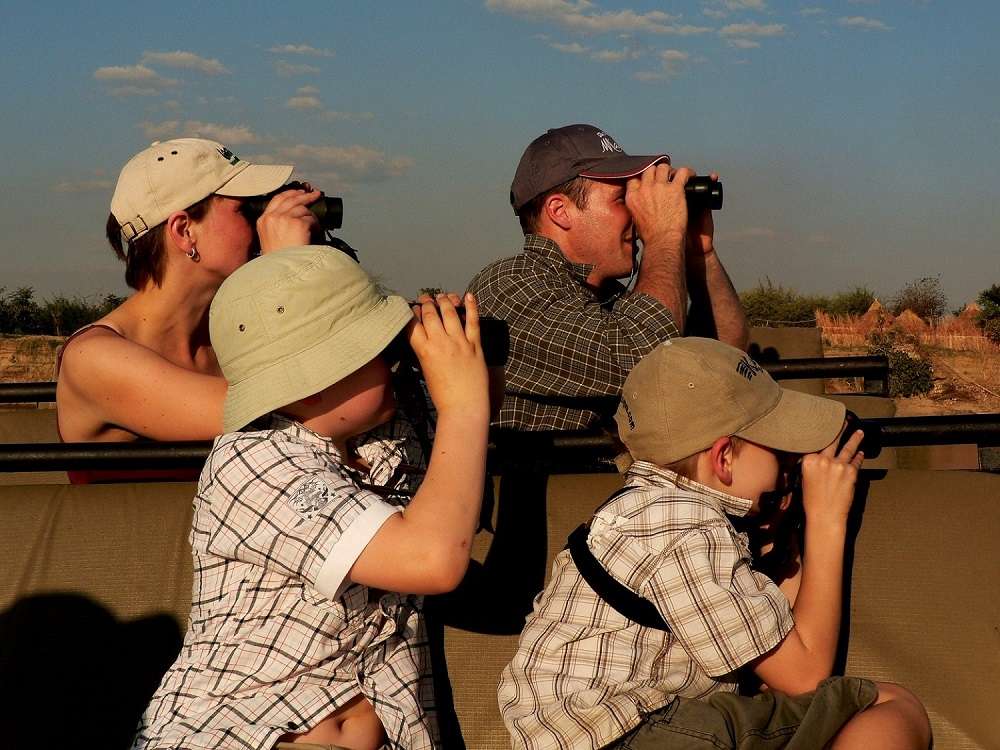
Packing Essentials: Neutral-colored clothing, sun protection, sturdy shoes, insect repellent, and binoculars.
Currency: Namibian Dollar (NAD), but South African Rand widely accepted.
Conservation Awareness: Respect wildlife, stay on designated roads, and choose eco-friendly lodges.
Traveling to Namibia offers a unique combination of desert adventure, wildlife safaris, coastal exploration, and cultural experiences. From the towering dunes of the Namib Desert to the wildlife-rich Etosha National Park, Skeleton Coast, and Damaraland, Namibia provides travelers with unforgettable landscapes, wildlife, and adventures.
Whether it’s desert-adapted elephants in Damaraland, lions at Etosha waterholes, or the dramatic foggy coastlines of the Skeleton Coast, Namibia promises a safe, diverse, and awe-inspiring African journey.





Don't just get there, get there in style.
Top Destination
Information
Follow Us
Payment channels

