No products in the cart.


What to prepare when going for a safari in Africa can be overwhelming for first-time travelers. From essential documents and visas to the right clothing and wildlife etiquette, careful preparation ensures a safe, comfortable, and unforgettable safari experience. This guide covers everything you need to know, so your African adventure is seamless from start to finish.
Before traveling, make sure you have all the necessary paperwork:
Passport: Ensure your passport is valid for at least six months beyond your travel dates.
Visas: Check visa requirements for the countries you plan to visit (Zambia, Botswana, Zimbabwe, South Africa, etc.). Some allow visas on arrival, others require advance application.
Travel Insurance: Essential for medical emergencies, cancellations, or safari-related incidents.
Vaccinations: Yellow fever vaccination may be required; consult a travel clinic. Malaria prophylaxis is recommended for most safari regions.
Safari Permits: Some parks may require entrance permits or booking confirmations for guided safaris.
Choosing the right clothing is crucial for comfort, safety, and blending into the environment:
Neutral-Colored Clothing: Khaki, beige, or olive to avoid startling wildlife. Avoid bright colors.
Layered Clothing: Temperatures can vary—cool mornings and hot afternoons. Lightweight long sleeves and pants protect against sun and insects.
Sturdy Footwear: Comfortable walking shoes or boots for game drives, walking safaris, and lodge exploration.
Accessories: Hat, sunglasses, and a scarf or buff for dust.
Rain Gear: Lightweight waterproof jacket if visiting during the wet season.
Tipping is expected in many safari lodges and parks. General guidance:
Guides and Trackers: $10–$20 per day per person is standard.
Lodge Staff: $5–$10 per day per person, distributed among housekeeping, drivers, and other staff.
Restaurants/Optional Services: Tipping for meals or extra services is appreciated but not mandatory.
Safari travelers should be conscious of environmental and wildlife protection:
Stay on Designated Paths: Avoid driving off-road in parks.
Respect Wildlife: Keep safe distances, never feed or provoke animals.
Minimize Waste: Carry reusable water bottles and avoid single-use plastics.
Support Conservation Programs: Many lodges contribute to wildlife and community conservation—consider supporting them.
Vaccinations and Malaria Prevention: Confirm required and recommended vaccinations. Carry malaria medication if advised.
First Aid Kit: Band-aids, antiseptic cream, painkillers, and any personal medication.
Travel Insurance: Ensure it covers safari activities like game drives, walking safaris, or boat cruises.
Hydration and Sun Protection: Bring sunscreen, hats, and plenty of water.
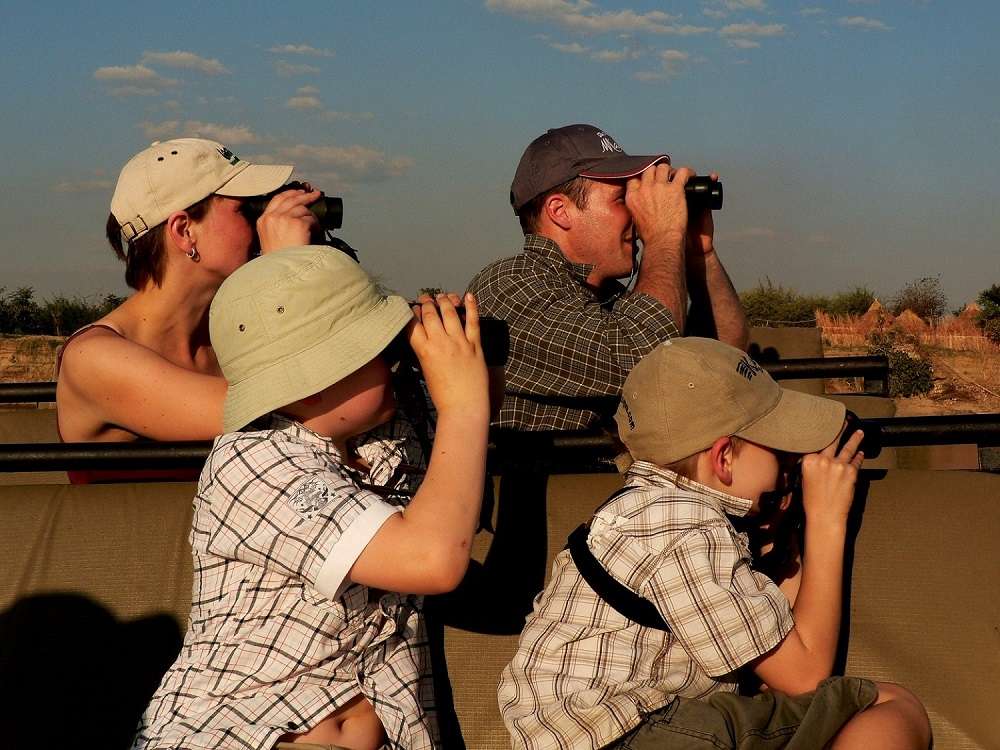
Camera and Binoculars: Essential for wildlife photography and birdwatching.
Chargers and Power Banks: Electricity may be limited in some lodges or camps.
Insect Repellent: Especially important for mosquitoes.
Travel Apps and Maps: Helpful for navigation, park information, and emergency contacts.
Cash: US dollars are widely accepted in many safari lodges and for park fees.
Cards: Credit/debit cards accepted in larger lodges and lodges near major tourist hubs.
Local Currency: Useful for tips and small purchases.
Pack Light: Most safari vehicles have limited storage.
Flexible Schedule: Safaris depend on wildlife movements and weather. Be patient and adaptable.
Early Mornings: Wildlife is most active early; prepare for early wake-ups.
Respect Local Culture: If visiting villages or interacting with communities, be mindful of customs and etiquette.
Knowing what to prepare when going for a safari in Africa is essential for a safe, comfortable, and unforgettable adventure. From documentation and visas to packing the right clothing, understanding tipping etiquette, and supporting conservation efforts, careful planning ensures that your African safari is as smooth and enjoyable as possible.
With proper preparation, you can focus on the most important part of a safari—immersing yourself in Africa’s incredible wildlife and landscapes.





Don't just get there, get there in style.
Top Destination
Information
Follow Us
Payment channels

